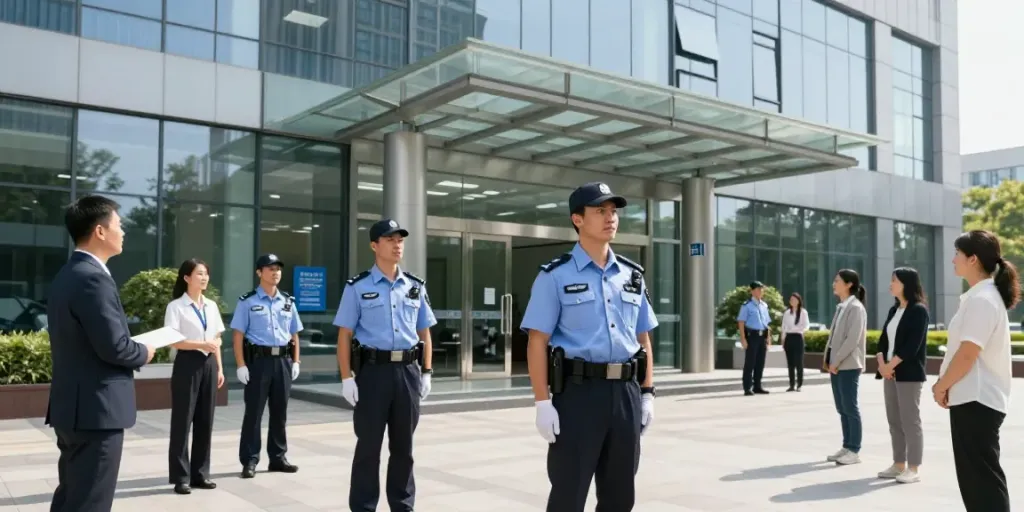
Understanding Private Security Services
In an increasingly unpredictable world, the role of private security has become more prominent than ever. Homeowners, business owners, and property managers are seeking reliable and professional security services to ensure peace of mind and the safety of their assets. This comprehensive guide dives into the various aspects of private security, the benefits of hiring a local provider, and valuable tips for selecting the right security company for your needs. For those looking to enhance their understanding, Private Security is an essential consideration for protecting your premises and investments.
What is Private Security?
Private security refers to services provided by licensed practitioners that protect individuals, organizations, and properties from a range of threats. Unlike public law enforcement agencies, private security companies operate independently and focus on safeguarding clients through various preventive measures, surveillance, and emergency responses. These services are essential for both corporations and individuals seeking enhanced protection beyond what law enforcement can provide.
Types of Private Security Services Offered
Private security firms offer a myriad of services tailored to meet diverse client needs. Key offerings within the industry include:
- Security Guards: Trained personnel who provide physical presence, deter criminal activity, and manage on-site safety.
- Event Security: Comprehensive security solutions for managing large gatherings, ensuring safety, crowd control, and emergency response readiness.
- Close Protection Services: Personal security details that protect high-profile individuals, ensuring their safety and privacy.
- Mobile Patrols: Regular patrols of property to monitor and report any suspicious activity, enhancing overall security.
- CCTV Installation and Monitoring: Surveillance systems that allow for real-time monitoring of premises, helping deter crime and provide evidence if needed.
- Access Control: Systems that restrict and monitor entry to buildings or sensitive areas, reducing the risk of unauthorized access.
- Risk Assessments: Comprehensive evaluations that identify potential threats and recommend tailored security solutions to mitigate risks.
Benefits of Hiring a Local Private Security Company
Engaging a local private security provider offers numerous advantages, including:
- Community Knowledge: Local companies understand the specific risks and concerns prevalent in the area, allowing for tailored security solutions.
- Responsive Service: Proximity enables quicker response times during emergencies, essential for effective incident management.
- Personalized Attention: Smaller, community-focused firms often provide more personalized client service and relationships.
- Support for Local Economy: Choosing local enhances community resilience and supports the economy.
Choosing the Right Security Provider
Key Factors in Selecting a Security Company
Finding the right security partner is critical for safeguarding your assets. Consider these essential factors:
- Licensing and Accreditation: Ensure the firm is licensed by the relevant authorities, such as the SIA (Security Industry Authority) in the UK. Accreditation is a hallmark of quality and adherence to industry standards.
- Experience and Expertise: Investigate the company's history, the expertise of its personnel, and its track record in similar security engagements.
- Services Offered: Choose a provider whose service offerings align with your specific needs, including specialized services like event security or risk management.
- Transparency and Communication: A good security company will maintain open lines of communication and provide clear, detailed contracts outlining services and costs.
- Customer Reviews and Testimonials: Researching customer feedback can provide insights into the reliability and quality of a security firm's service delivery.
Importance of Local Expertise and Presence
Local security providers are often better equipped to address area-specific concerns and nuances that larger, national firms may overlook. They can provide a deeper understanding of local crime trends, regulatory requirements, and cultural dynamics, which significantly impacts the effectiveness of security measures.
Evaluating Customer Reviews and Testimonials
Reading reviews and testimonials is crucial in the decision-making process. Look for feedback that highlights the effectiveness of the security services provided, responsiveness to incidents, and overall customer satisfaction. This information not only reflects the company's quality but also provides context for their operations.
Pricing and Cost Breakdown
Average Rates for Private Security Services
Pricing for private security services varies based on several factors, including the level of service, location, and the company's market position. Typically, private security services in the UK may range from £12 to £20 per hour for basic guarding services. For specialized services, such as close protection or event security, costs can range significantly higher, sometimes exceeding £50 per hour depending on the complexity and security needs of the assignment.
Factors Affecting Security Costs in London
In London specifically, several factors can influence security costs:
- Location: More affluent or high-risk areas often attract higher service rates due to increased demand and complexity.
- Type of Service: Specialized services generally require trained professionals, resulting in higher rates.
- Duration of Service: Long-term contracts typically offer discounted rates compared to one-off services.
- Time of Day: Nighttime security services may be priced higher due to increased risks and the need for vigilant monitoring.
Pricing Transparency and Contract Terms
When assessing security companies, ensure they provide clear pricing structures. Look for companies that offer full transparency regarding their fees, outlining what is included and any additional charges that may apply. Essential considerations should also include contract terms, service level agreements (SLAs), and cancellation policies.
Licensing and Insurance for Security Firms
Understanding SIA Regulations and Requirements
The Security Industry Authority (SIA) regulates the private security industry in the UK. All security personnel must be licensed by the SIA, ensuring they have undergone proper training and background checks. Companies must also adhere to SIA licensing standards to operate legally, an essential factor when selecting a security provider.
The Importance of Insurance in Security Services
Insurance is a critical aspect of security services. A reputable security company should carry liability insurance that protects clients against potential losses due to negligence or mistakes made by the security personnel. Verify the types of insurance held by the company and ensure they meet your requirements before hiring them.
How Licensing Affects Service Quality
Security licensing is not only a legal requirement; it is also an indicator of professionalism and reliability. Licensed firms are subject to regular audits and compliance checks, ensuring they maintain high service standards and accountability. Opting for a licensed provider increases the likelihood of receiving quality service and effective risk management.
Seasonal Security Tips for Businesses
Preparing for Busy Seasons: Halloween and Holiday Events
As various festive seasons approach, such as Halloween and the holidays, it's crucial for businesses to ensure adequate security measures are in place. Most security services should prepare in advance by assessing potential challenges that come with increased foot traffic, including crowd control and the potential for vandalism. Developing a clear security plan that includes staffing, emergency protocols, and crisis management strategies will aid in a successful and secure seasonal experience.
Emergency Protocols for Seasonal Events
Having established emergency protocols is essential for any security strategy, especially during seasonal events. Protocols should include clear lines of communication, designated roles for staff, and swift evacuation procedures in the event of an emergency. Regular training and rehearsals will prepare staff to respond efficiently, enhancing overall safety.
Community Safety Initiatives and Participation
Participating in community safety initiatives helps build relationships and foster cooperation among local businesses, residents, and security providers. For more information, Private Security offers valuable insights. These collaborations can range from joint safety workshops to involvement in local community events, demonstrating a commitment to the community's well-being.